Updated:
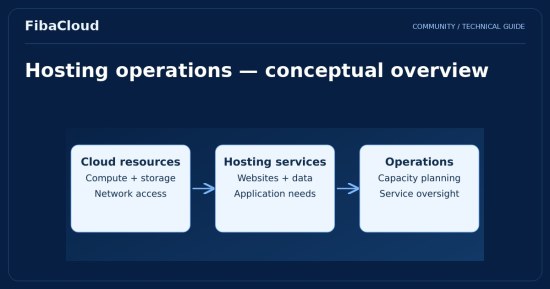
Cloud computing provides access to resources such as processing, storage, networking or software through a defined service model. A business can select capacity and service scope instead of owning and operating every component itself. The value comes from matching the application’s needs with a workable operating model.
Enlarge illustration →
What makes a service a cloud service?
NIST identifies five essential characteristics: on-demand self-service, broad network access, resource pooling, rapid elasticity and measured service. This provides a common vocabulary for evaluating offers. The way each capability is exposed to a customer still depends on the product, permissions and service agreement.
Measured service does not mean that every resource is billed by the second. Elasticity does not imply that every change is unlimited or interruption-free. Server sizes, quotas, storage constraints and networking limits must be checked in the actual service documentation.
IaaS, PaaS and SaaS change responsibilities
Infrastructure as a service supplies resources such as compute, storage and networking. The customer commonly manages the guest operating system and application. Platform as a service takes responsibility for more of the application platform. Software as a service provides software directly for its users.
These models are not a quality ranking. The choice balances control with the operating work the team wants to perform. A more managed service does not transfer every data or access decision to the provider. User roles, data accuracy and business processes continue to need customer ownership.
A practical small-business example
A team running an order management application should consider the application server, database and file storage together. Busy periods, data growth and connections to other systems matter more than a simple user count. Where the software runs is only part of the decision; how it recovers from a failure matters too.
Document the current workflow before sizing servers. Identify who uses the system, what information it holds, which tasks are time-sensitive and who is affected by an outage. This connects the technical design to business needs and exposes missing recovery arrangements before migration.
Cost extends beyond the server price
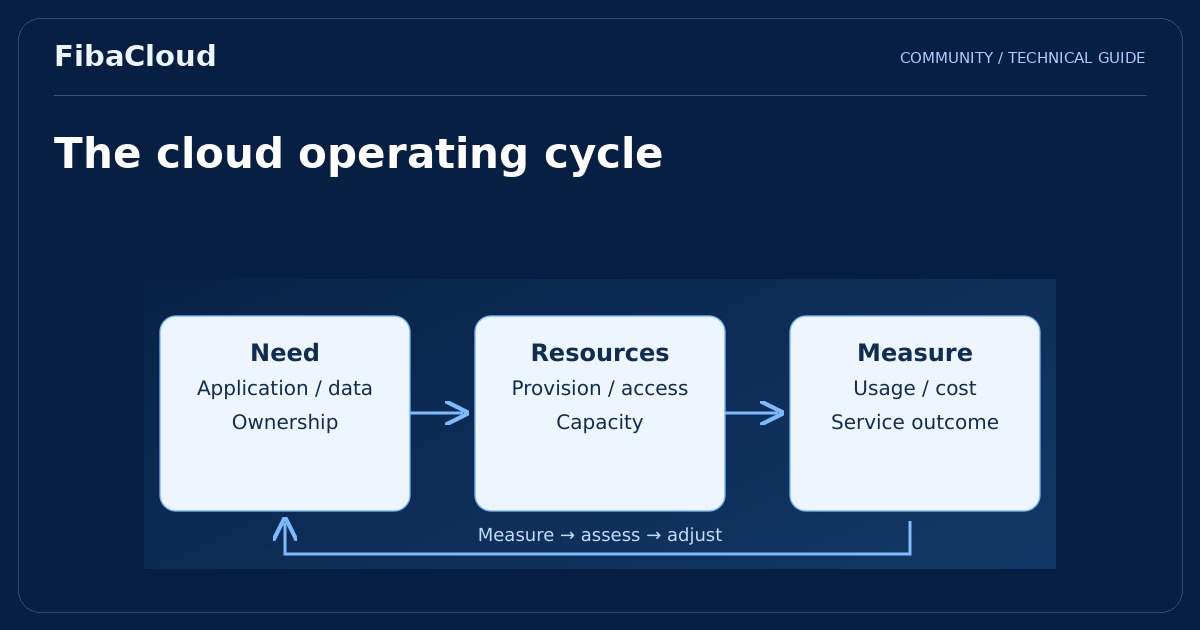
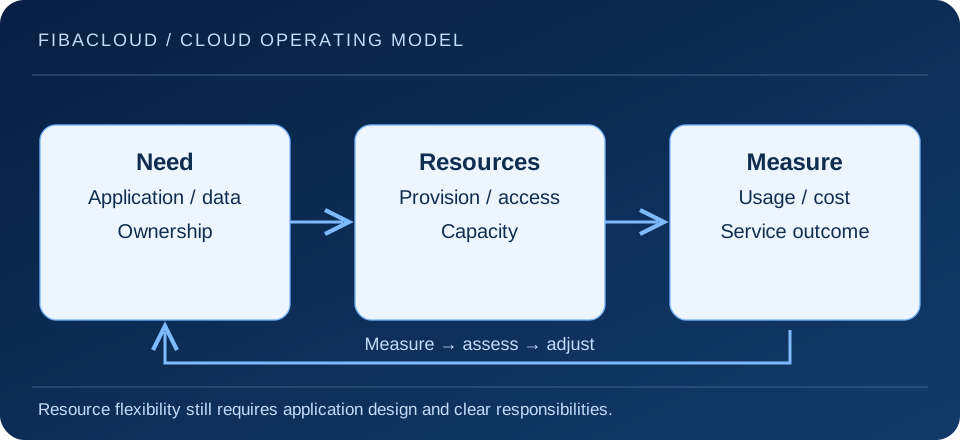
Storage, transfer, backups, licensing and staff time can all contribute to the total. Unused environments, retained disks and excessive log retention can change the budget. Resource ownership, labeling and periodic usage reviews should therefore be part of routine technical operations.
Moving to the cloud does not guarantee savings. A continuously busy system, expensive software license or large data transfer requirement can produce a different cost profile. Compare current and proposed environments on the same scope. A hardware purchase price beside a monthly server price is not a complete business case.
Prepare a secure migration
- Classify data and access roles, including location and retention requirements for sensitive information.
- Assign operating system, application, backup and incident response responsibilities.
- Verify dependencies and restoration in a separate test environment.
- Plan data synchronization, cutover checks and a rollback decision.
- Measure service quality, usage and cost after the move.
Begin with a workload whose dependencies are understood and whose results can be checked. Define acceptance criteria before deployment, such as successful order processing and recovery from a verified backup. A pilot should reduce uncertainty, rather than merely demonstrate that a server can be started.
Cloud operations continue after migration. Access reviews, supported software versions and repeated restoration exercises keep the service aligned with changing business needs. Treat these activities as recurring responsibilities, with owners and records, instead of assuming the original deployment remains suitable indefinitely.
Frequently asked questions
- Is cloud computing only for large organizations?
-
No. Small teams can use appropriately scoped services. Application needs and operating responsibilities matter more than company size.
- Does moving to cloud remove the need for backups?
-
No. Confirm what is backed up, retention periods and how restoration works. Infrastructure availability and data recovery are separate concerns.
Your next step
Compare IaaS, PaaS and SaaS responsibilities, then use the FibaCloud service selection guide to organize application, data and operating requirements.